
Economic Empowerment, Malende, March 2025
Women Empowerment Programs
Sustainable Economic Empowerment of the Ngomba Women Association in Malende on the 4th of March 2025
Background
Women’s economic empowerment is a key driver of sustainable development, poverty reduction, and improved household well-being, particularly in rural communities. When women have access to livelihood skills, income-generating opportunities, and entrepreneurship training, they are better positioned to contribute to their families’ financial stability, support their children’s education, and participate actively in community development. However, many rural women continue to face challenges such as limited access to vocational training, financial resources, markets, and employment opportunities, which restrict their economic independence and overall quality of life.
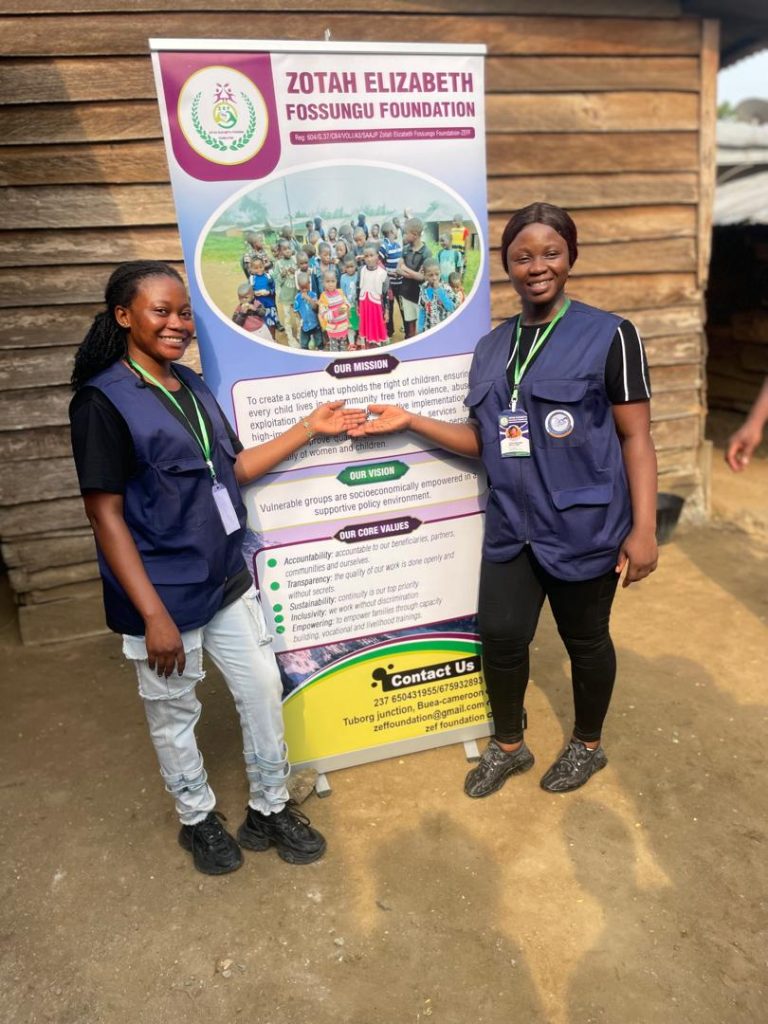
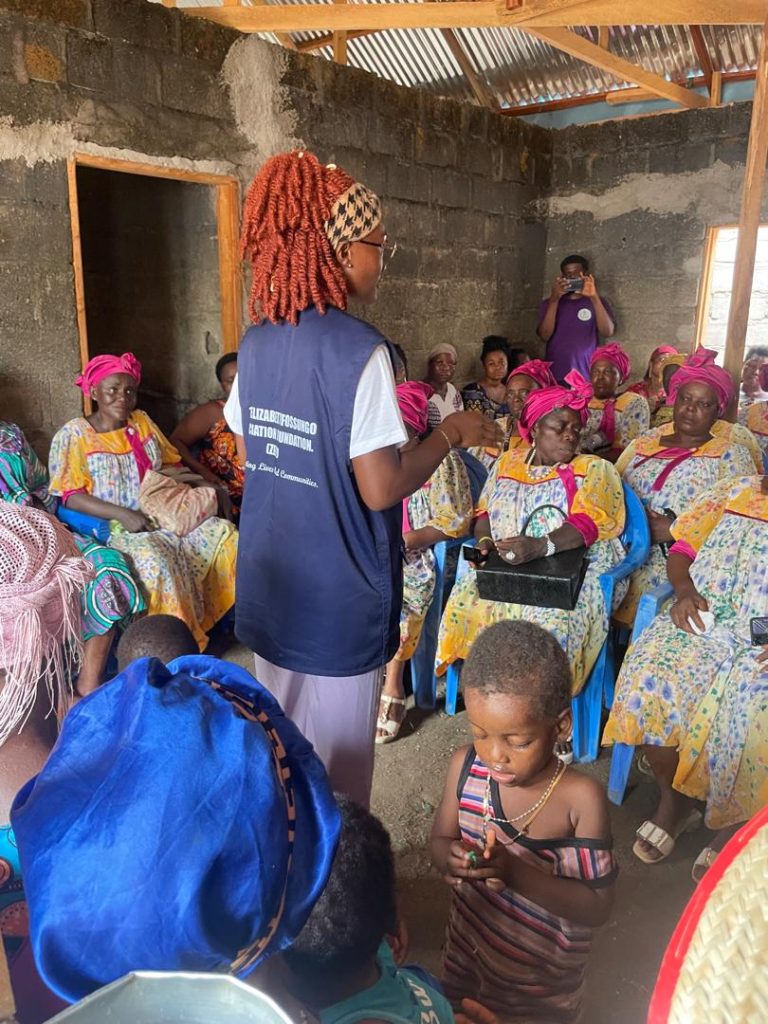
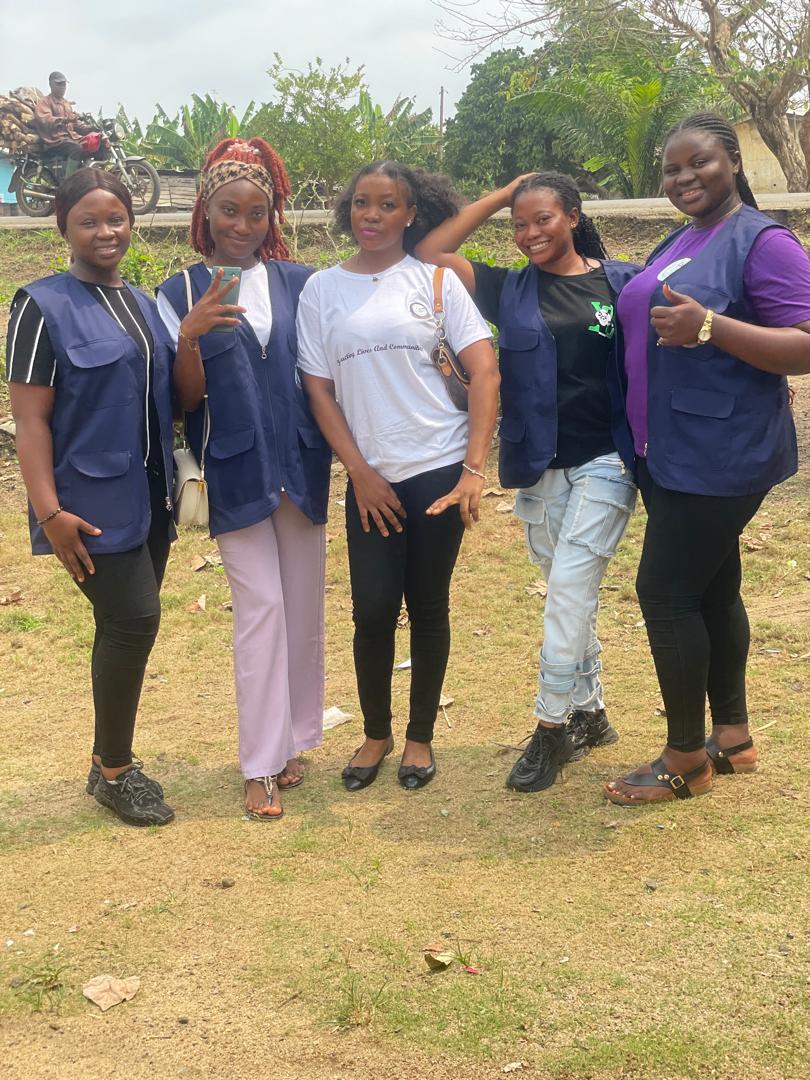
Recognizing these challenges, the Zotah Elizabeth Fossungu Foundation (ZEFF) organized a practical skills training for members of the Ngomba Women Association on 4 March 2025. The training focused on the production of high-quality puff-puff as a viable income-generating activity. Participants were equipped with practical techniques for preparing quality puff-puff, maintaining hygiene and food safety standards, and improving the presentation and marketability of their products.
Objective Of the Activity
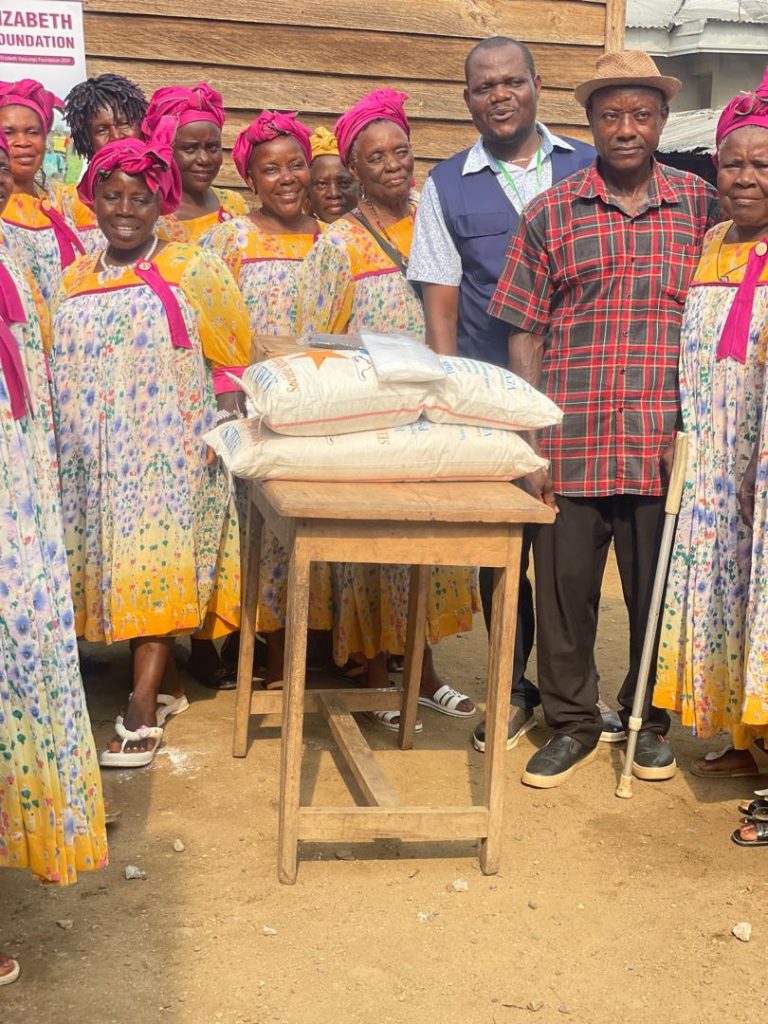
The objective of the activity was to empower members of the Ngomba Women Association by equipping them with practical skills in producing high-quality puff-puff as a sustainable income-generating activity. The initiative also sought to support five women who had previously operated small businesses but were forced to discontinue them due to insufficient capital by providing them with start-up materials to help them restart their enterprises. In addition, the activity aimed to educate participants on the prevention of gender-based violence and to raise awareness of the importance of legally recognized traditional marriages in promoting women’s rights, social protection, and family stability. Overall, the intervention was designed to strengthen women’s economic empowerment, promote social well-being, and enhance their resilience within the community.
Target groups and attendance Target Groups:
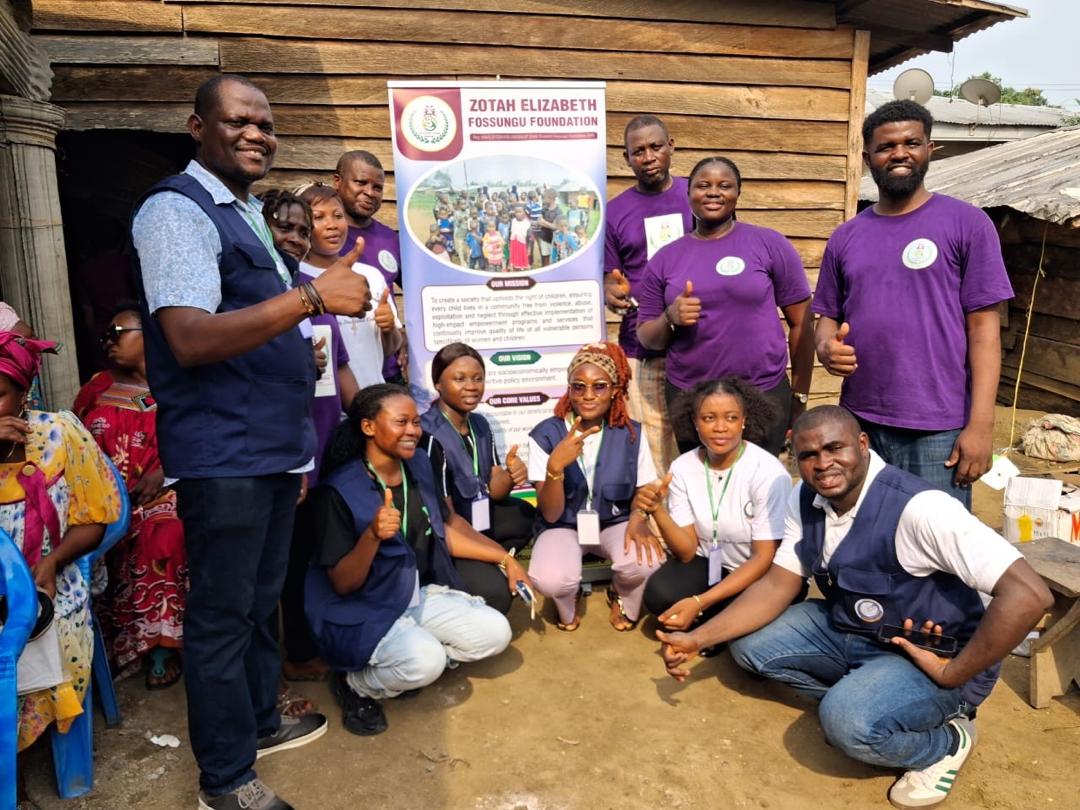
Women of the Ngomba Women Association, Total Participants: 60
Results or outcomes
- 60 women (100%) successfully completed practical training on the production of high-quality puff-puff as a sustainable income-generating activity.
- 90% of participants demonstrated improved knowledge and practical skills in preparing quality puff-puff using appropriate food hygiene and preparation techniques.
- Five women (100% of the targeted beneficiaries) received start-up materials to enable them to restart or strengthen their existing puff-puff businesses.
- 85% of participants reported increased confidence in using their newly acquired skills to establish or expand small businesses.
- 100% of participants received education on gender-based violence, including its prevention, reporting mechanisms, and the importance of protecting the rights of women and girls.
- 100% of participants were sensitized on the importance of legally recognized traditional marriages and their role in promoting family stability and protecting women’s rights.
- 80% of participants expressed their intention to apply the skills and knowledge gained to improve their household income and economic independence.
Gallery
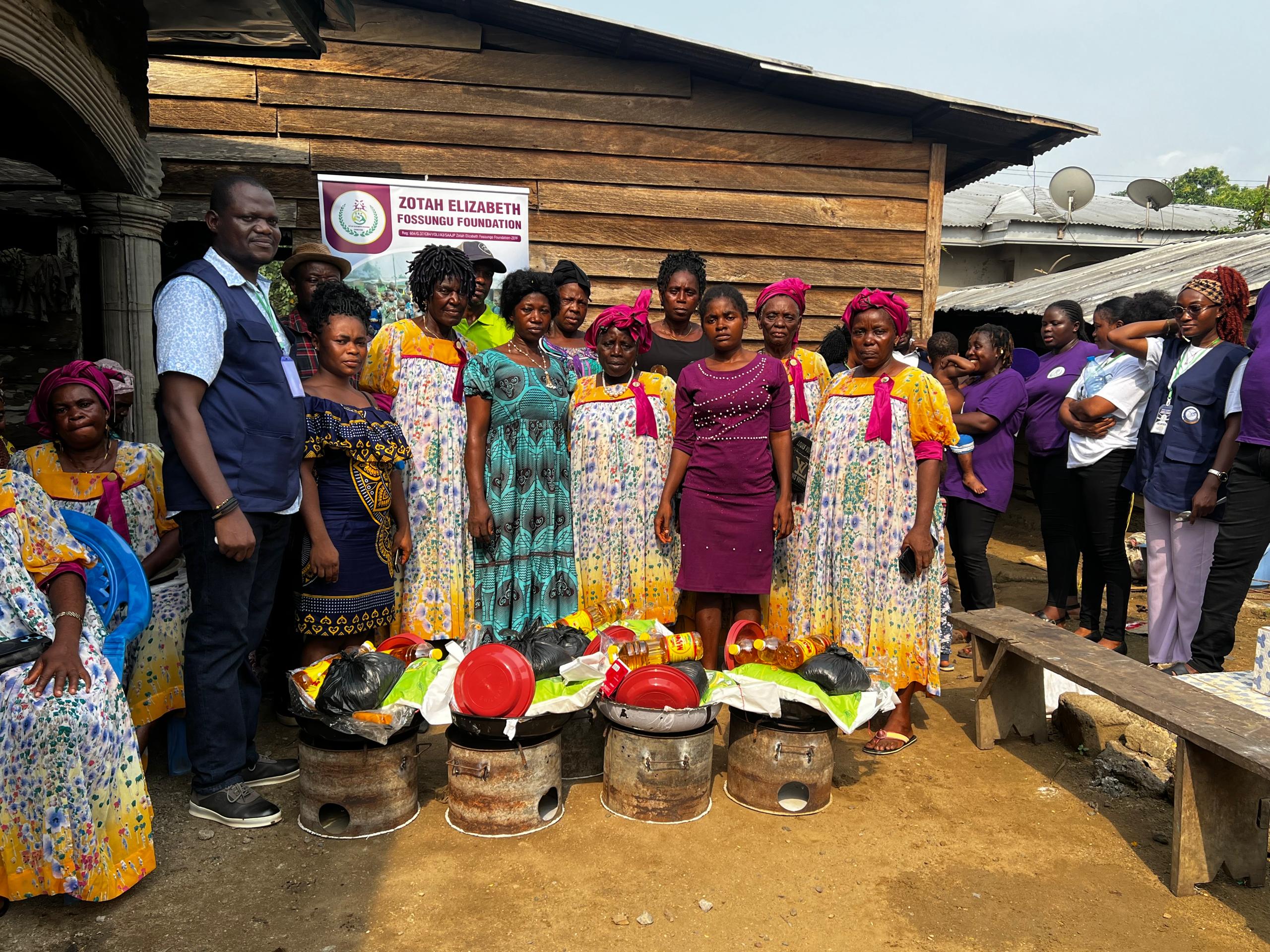
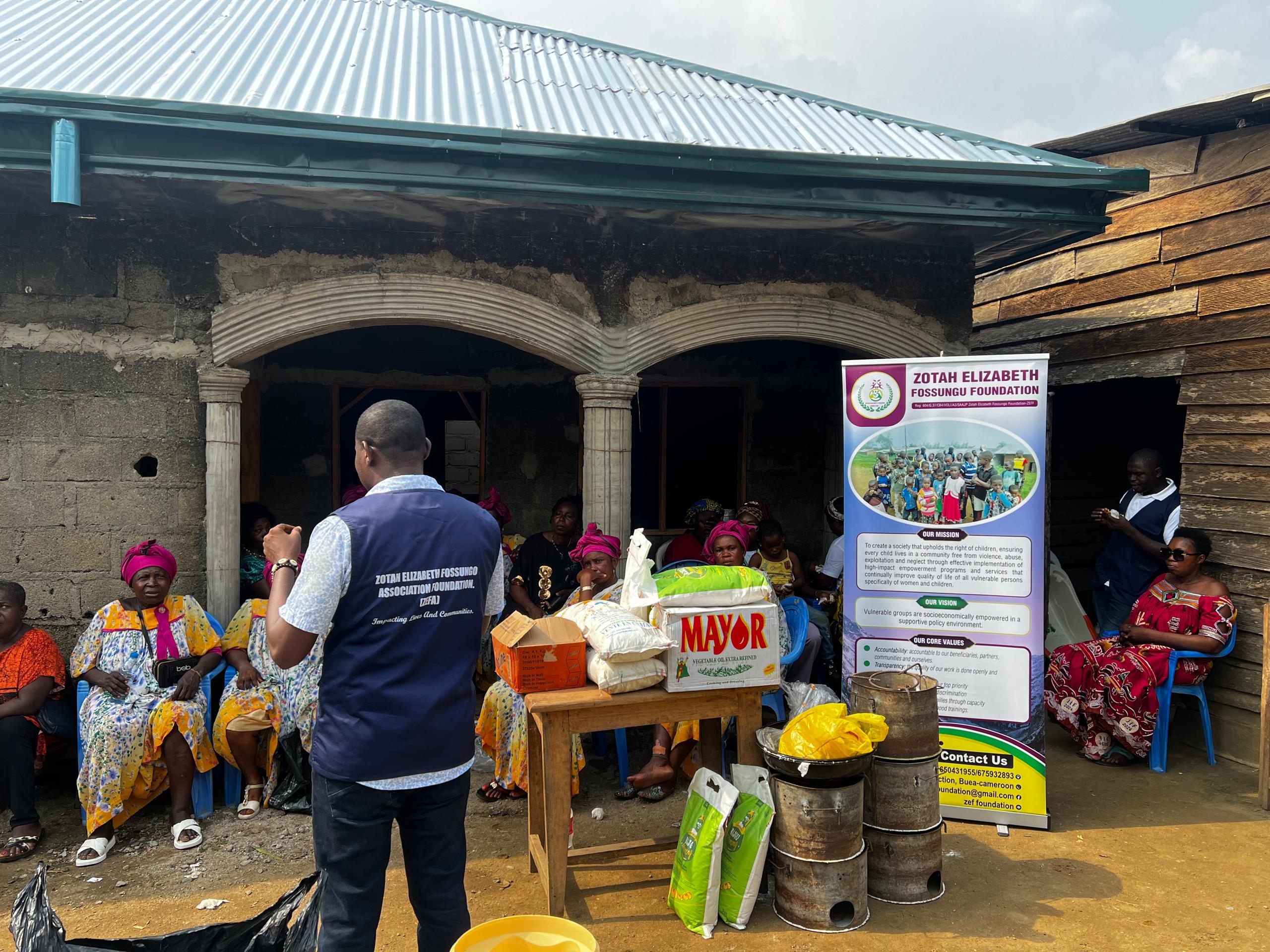
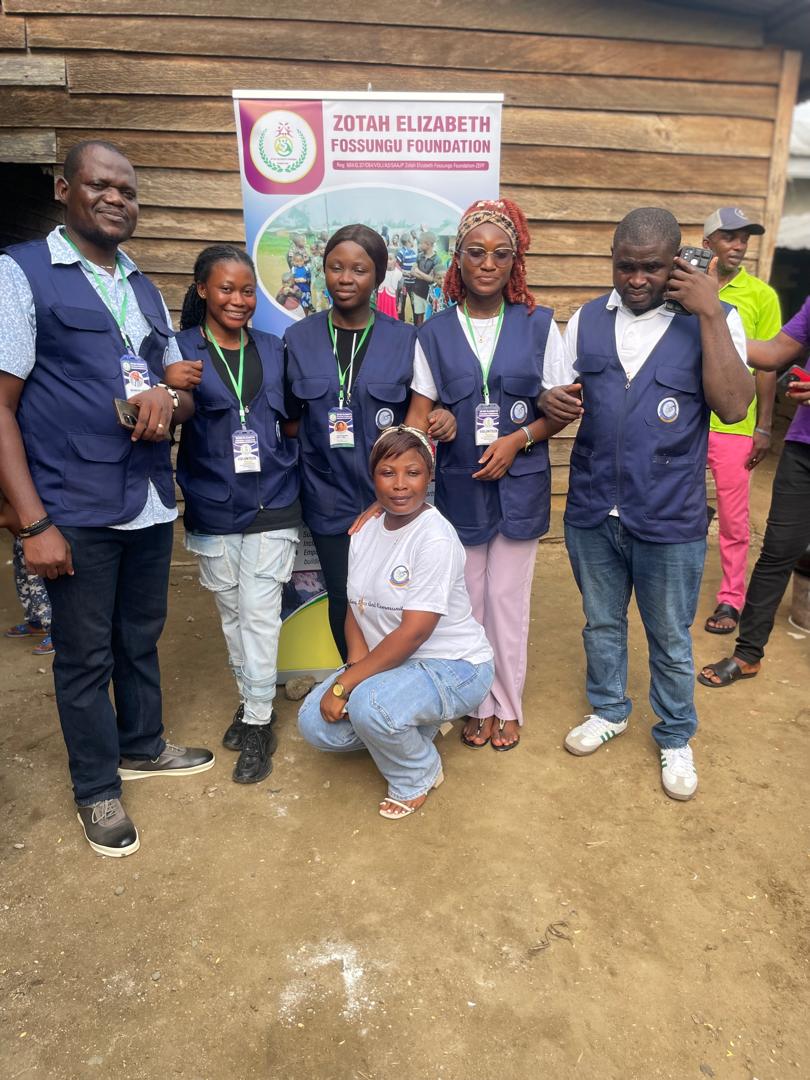
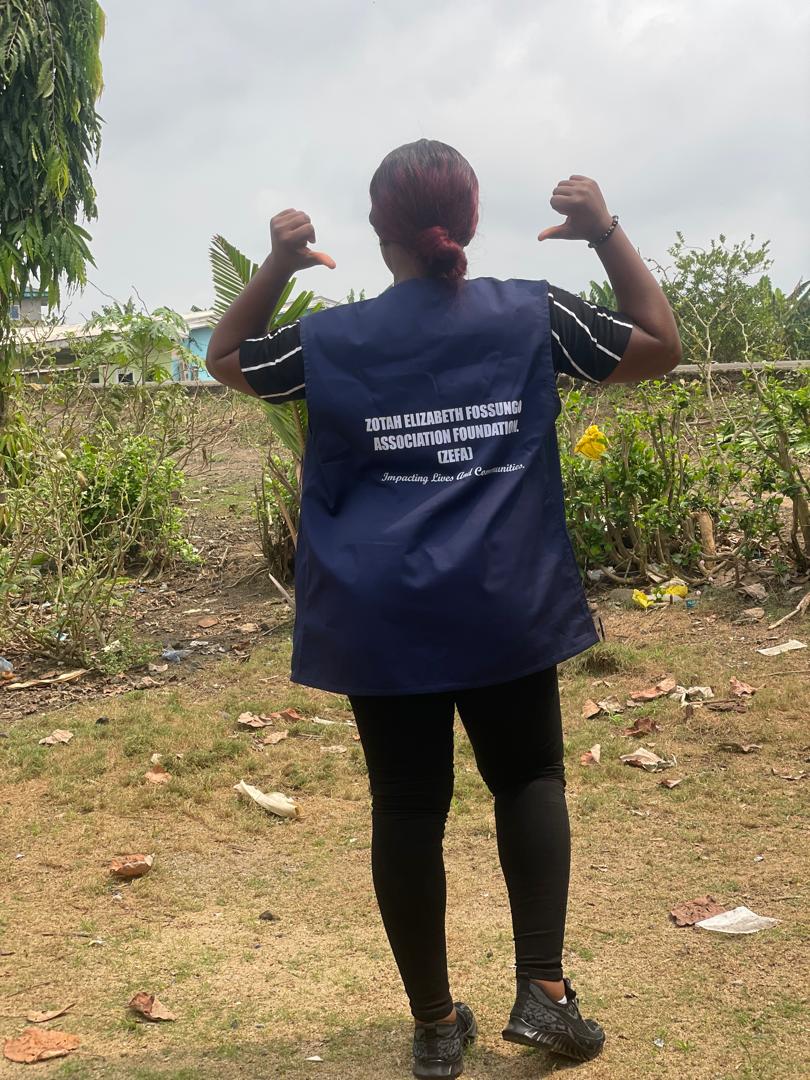
Conclusion
The women’s empowerment training for the Ngomba Women Association was successfully implemented and achieved its objective of strengthening the economic and social well-being of participants. Through practical training on the production of high-quality puff-puff, 60 women acquired valuable skills that can be used to establish or expand income-generating activities, thereby improving their household livelihoods and financial independence. In addition, five women who had previously discontinued their businesses due to insufficient capital received start-up materials to help them restart their enterprises, enhancing their economic resilience and sustainability. The activity also increased participants’ awareness of gender-based violence and highlighted the importance of legally recognized traditional marriages in protecting women’s rights, promoting family stability, and fostering social cohesion. Overall, the intervention empowered women with practical skills, knowledge, and resources that will contribute to sustainable livelihoods, greater economic independence, and stronger community development, while reaffirming ZEFF’s commitment to promoting women’s empowerment and inclusive development in rural communities.
GET INVOLVE NOW
At the ZEF Foundation, we’re committed to fostering positive change in communities across Cameroon and beyond. Founded on the principles of education, protection, and empowerment, we strive to create a brighter future for all.